
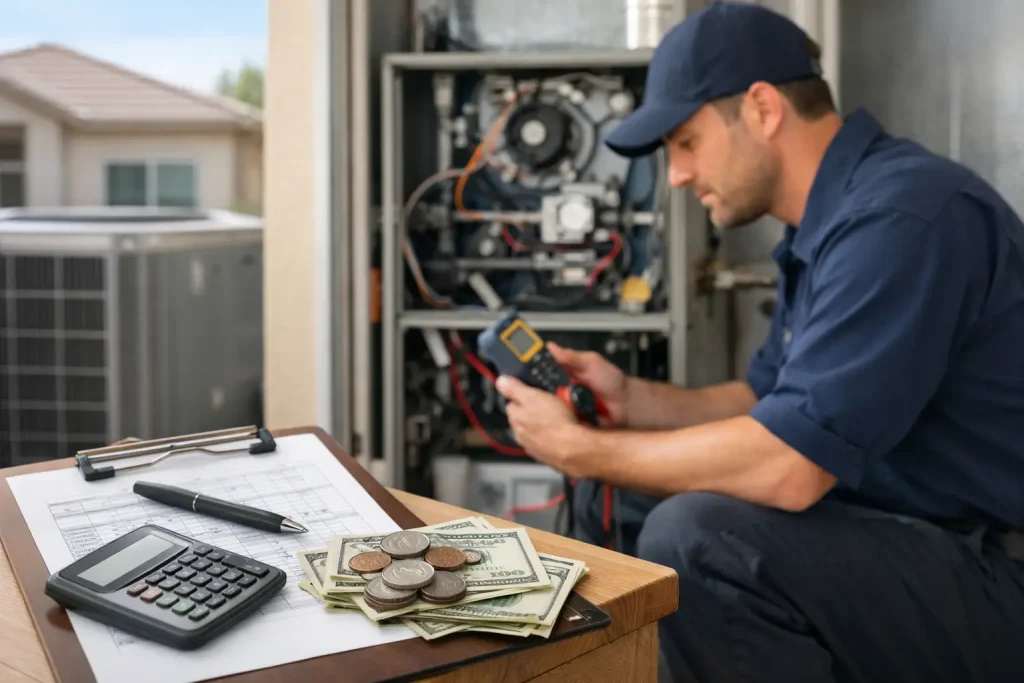
A heater that stops working on a cold evening creates two immediate concerns: getting warmth back and understanding what the visit may involve. A clear heating service cost breakdown helps take some of the uncertainty out of the situation. While every system and repair is different, knowing what shapes the scope of work can help you ask better questions and make a confident decision.
For homeowners, property managers, and business owners, the goal is not simply to find the fastest repair. It is to get an honest assessment, a practical recommendation, and a solution that fits the condition of the equipment. Whether the issue is a furnace that will not start, uneven heat, unusual noises, or a system that has become unreliable, a professional inspection is the right starting point.
What Goes Into a Heating Service Cost Breakdown?
Heating service is not one flat task. A visit may involve diagnosis only, a targeted repair, routine maintenance, emergency troubleshooting, or a recommendation to replace aging equipment. The final scope depends on what the technician finds after inspecting the system.
The first part is typically the diagnostic process. Heating problems can have similar symptoms but very different causes. A thermostat issue, restricted airflow, ignition problem, worn motor component, safety control, or heat pump malfunction may all lead to poor heating performance. Proper diagnosis prevents time and money from being spent on the wrong repair.
Once the cause is identified, the estimate should explain the recommended work in plain language. That includes what needs attention, why it matters, and whether there are options based on the age and condition of the system. Transparent communication matters most when a heating problem is urgent and you need to make a decision quickly.
System Type and Equipment Condition
The kind of heating equipment in your property affects the work involved. Gas furnaces, electric furnaces, heat pumps, packaged systems, and commercial heating equipment have different components and service requirements. A repair that is straightforward on one system may require more testing or specialized parts on another.
Age is also a major factor. Newer systems may have readily available replacement parts and clearer diagnostic information. Older equipment can require additional investigation, and some components may be difficult to source. That does not automatically mean replacement is the best answer. It does mean the technician should weigh the repair against the system’s overall reliability, efficiency, and expected future needs.
The Type of Repair Needed
Some heating problems are isolated and can be corrected with a single repair. Others reveal more than one concern, especially when maintenance has been delayed or the system has been operating under strain.
For example, a heating system may need a small control adjustment, a replacement component, airflow correction, or more extensive work involving key operating parts. The labor, materials, testing, and safety checks required will vary. A trustworthy HVAC team will separate urgent repairs from items that can be planned for later, so you are not pressured into making unnecessary decisions during a service call.
Safety-related concerns should always be addressed promptly. If a technician finds an issue that affects safe operation, the recommendation should be clear and direct. Heating equipment relies on proper combustion, ventilation, electrical controls, and airflow. Trying to continue operating a system with a known safety concern can create a larger problem and leave the property without heat when you need it most.
Access, Timing, and Emergency Service
The location of the equipment can affect service time. A unit in an attic, crawl space, rooftop area, or tight mechanical room may require more preparation and careful access than a unit in an open garage or utility closet. Commercial properties can also require coordination around tenant access, business hours, or larger equipment layouts.
Timing matters, too. A scheduled maintenance visit allows time for a complete inspection and planning. An after-hours heating failure calls for a fast response and focused troubleshooting. Emergency service is valuable when there is no heat, the system is cycling improperly, or a potential safety issue needs immediate attention. It is designed to restore safe, dependable operation as quickly as the situation allows.
Heating Maintenance Costs Less Than Surprise Repairs
Routine heating maintenance is one of the most practical ways to control long-term service needs. It cannot prevent every failure, especially on older equipment, but it gives technicians a chance to spot wear before it becomes a no-heat call.
During a professional heating tune-up, the technician can inspect major components, check system operation, evaluate airflow, look for signs of wear, and confirm that safety controls are working properly. The exact checklist depends on the equipment, but the purpose is consistent: keep the system operating efficiently and identify issues early.
For property managers, scheduled maintenance can also reduce avoidable disruptions for tenants. For small business owners, it helps protect customer comfort and avoid losing productive time to an unexpected heating problem. Homeowners benefit from more dependable performance through the cooler months and a clearer picture of their system’s condition.
Maintenance is especially worthwhile before the weather turns cold. Waiting until the first major cold spell can mean discovering a problem at the same time many other households need service. Planning ahead gives you more flexibility and helps your heating system enter the season in better shape.
When Replacement Becomes Part of the Decision
A repair is often the right choice, particularly when the system is newer, the problem is isolated, and the equipment has been maintained. But there are situations where continued repairs may not be the most practical long-term plan.
Consider a replacement discussion if your heater breaks down repeatedly, heats unevenly, runs louder than it used to, or struggles to maintain a comfortable temperature. An aging system may also be less efficient than current equipment, which can affect ongoing energy use. The decision should be based on the full picture, not on one symptom alone.
A professional heating installation estimate should account for more than the unit itself. Proper sizing, ductwork condition, airflow, thermostat compatibility, installation requirements, and the needs of the property all matter. An oversized or undersized system can create comfort problems and unnecessary wear, even if the equipment is new.
For Modesto-area properties, the right solution also needs to handle local seasonal demands without wasting energy. A qualified technician can help you compare repair and replacement options based on your building, comfort goals, and the condition of the current system.
How to Get a Clear, Useful Estimate
The best estimate is one you can understand. Before approving heating work, ask what caused the issue, what repair is recommended, and whether there are any concerns that may need attention soon. You should also know whether the recommendation is intended to restore operation, improve reliability, address safety, or all three.
Be cautious about decisions based only on the lowest initial number. A vague estimate may leave out necessary testing, quality parts, or follow-up verification. On the other hand, more work is not always better. The right recommendation should match the actual condition of your system and be explained without pressure.
Keeping basic records can help over time. Note when the system was installed, when it was last serviced, what repairs have been completed, and whether comfort problems are becoming more frequent. This gives both you and your HVAC technician a better foundation for future decisions.
Fast Help When Your Heat Cannot Wait
If your heater is not producing heat, keeps shutting off, smells unusual, or is making new and persistent noises, arrange professional service promptly. Turn the system off if you suspect unsafe operation, and do not attempt repairs involving gas lines, electrical components, or internal controls.
YourK AC provides dependable heating service for homeowners and businesses that need clear answers and practical next steps. A qualified technician can diagnose the issue, explain the work needed, and help you decide whether repair, maintenance, or replacement makes the most sense for your property.
Comfort should not feel like a guessing game. When you know what your heating system needs and why, you can move forward with less stress and a better plan for the season ahead.