
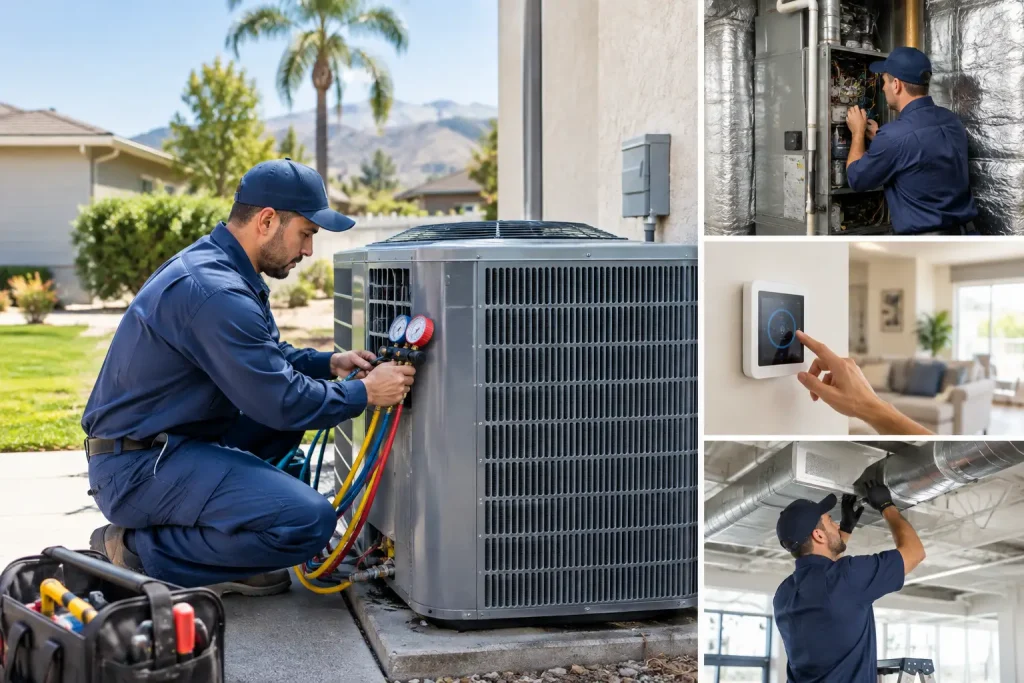
A cool thermostat setting means very little when one bedroom feels stuffy, vents barely push air, or the living room never catches up on a hot afternoon. This ac airflow problems guide helps you recognize what may be restricting your system and when a prompt professional inspection is the safest way to restore comfort.
Weak airflow is more than an inconvenience. Your AC may run longer, use more energy, and put added strain on parts that were not designed to work against a blockage. For homeowners, property managers, and small businesses, catching the signs early can prevent a small comfort issue from becoming a complete breakdown.
What AC Airflow Problems Usually Look Like
Airflow trouble does not always mean the air conditioner has stopped cooling. Often, the system is producing cold air, but that air cannot move through the home effectively. You might notice certain rooms are much warmer than others, air barely comes from one or more registers, or the temperature drops only when the system runs continuously.
Other warning signs include whistling at vents, unusually loud return-air noise, a musty smell when the system starts, or a sudden increase in energy use. If your indoor coil freezes, you may also see ice near the indoor equipment or notice water around it after the ice melts. Turn the system off if you see ice. Continuing to run it can cause further damage.
The pattern matters. Weak airflow throughout the entire property points to a different set of possible causes than one isolated hot room. A technician can use that pattern, along with an equipment inspection, to find the real restriction instead of treating only the symptom.
Start With the Safe Checks You Can Do
Before scheduling service, there are a few simple checks that do not involve opening equipment or attempting a repair. Start with the thermostat. Make sure it is set to cool, the desired temperature is lower than the current indoor temperature, and the fan setting is on Auto unless a technician has advised otherwise.
Next, check the air filter. A clogged filter is one of the most common reasons for reduced airflow. It limits the air returning to the system, which can make your home feel warmer and may contribute to coil freezing. Replace a visibly dirty filter with the correct size and type recommended for your system. An overly restrictive filter can also create airflow issues, so more filtration is not always better.
Walk through the property and confirm supply vents and return grilles are open and unobstructed. Furniture, rugs, curtains, and storage can block airflow more easily than people realize. Return grilles need clear space to pull air back to the equipment. Closing multiple vents in unused rooms is usually not a good shortcut for reducing costs. It can raise pressure in the duct system and reduce overall performance.
If airflow remains weak after these checks, avoid taking panels off the indoor unit or trying to clean coils yourself. Electrical components, refrigerant lines, and delicate coil fins require the right tools and training.
Common Causes of Poor AC Airflow
A Dirty Filter or Indoor Coil
A filter that has gone too long between changes can restrict the entire system. If that restriction continues, dust and debris can build on the indoor evaporator coil as well. The coil is where the system absorbs heat from your indoor air, and it needs steady airflow to work properly.
A dirty coil can lead to poor cooling, longer run times, and freezing. Replacing the filter may help if it is the only issue, but a dirty coil needs professional cleaning and an inspection of the reason it became dirty in the first place.
Blower Problems
The blower motor and its related components move conditioned air through the ducts. A failing motor, worn component, incorrect speed setting, or electrical issue can reduce airflow throughout the home. You may hear rattling, squealing, or a change in the normal sound of the system.
Because blower concerns can involve electrical and mechanical components, this is a job for a qualified HVAC technician. Delaying service may leave the motor working harder until it fails completely.
Leaky, Damaged, or Undersized Ductwork
Ductwork has a major effect on comfort, especially in homes with rooms that are consistently warmer or cooler than the rest of the house. Leaks can send conditioned air into an attic, crawl space, or wall cavity rather than into the living area. Crushed or disconnected ducts can create a severe restriction.
Duct design also matters. An addition, remodeled room, or converted garage may not receive enough airflow if the duct system was never adjusted for the extra load. This is not always a quick repair. A technician may need to assess the duct layout, system capacity, and room-by-room needs before recommending the right solution.
A Frozen Evaporator Coil
Ice on the indoor coil is a clear sign that something is wrong, but it is not the diagnosis. Restricted airflow is one possible cause. Low refrigerant, a dirty coil, or a blower issue can also contribute.
Set the thermostat to Off and let the ice thaw naturally. Do not chip at the ice or use sharp objects near the coil. Then arrange service. Restarting the AC before the underlying problem is identified can cause the coil to freeze again and leave you without cooling when you need it most.
Problems Outside at the Condenser
The outdoor unit does not deliver air through your vents, but it must release heat efficiently for the whole system to cool properly. Leaves, grass clippings, or other debris around the condenser can reduce performance. Keep the area around the unit clear and avoid stacking items against it.
If the outdoor unit is running but indoor airflow is weak, the problem is more likely inside the home or in the duct system. If it is not running, making unusual noises, or repeatedly shutting off, professional diagnosis is the next step.
Why One Room Can Have Poor Airflow
A single hot room is often blamed on the AC, but the cause can be more specific. The room may have more sun exposure, insufficient insulation, a long duct run, a partially closed damper, or a supply register that is poorly placed. Large windows, upstairs locations, and rooms over garages can all have higher cooling demands.
Start by checking that the vent is open and not covered. If the rest of the home cools normally but one room does not, mention that pattern when you schedule service. It helps the technician focus on balancing, duct restrictions, insulation-related heat gain, or a sizing issue rather than assuming the central unit itself has failed.
When to Call for AC Airflow Repair
Call for professional help promptly when airflow drops suddenly, the system freezes, a burning smell appears, the breaker trips, or the AC runs without improving comfort. These signs can point to a problem that gets more expensive if the system keeps operating under strain.
It also makes sense to schedule an inspection if weak airflow has become a recurring issue. Repeated filter changes alone will not fix leaking ducts, a failing blower, a dirty coil, or equipment that is no longer properly matched to the property.
During an AC service visit, a technician should evaluate the filter, blower, coil condition, drain system, electrical components, thermostat operation, and visible duct concerns. The goal is to explain what is causing the restriction, what repairs are needed now, and whether there are practical steps to help prevent it from returning. For dependable AC repair support, YourK AC can inspect the system and provide a clear path forward.
Keep Airflow From Becoming an Emergency
Regular maintenance gives airflow problems fewer chances to build quietly over time. Change filters on a schedule that fits your home, keep vents and returns clear, and have the system checked before peak cooling season when possible. Properties with pets, heavy dust, construction nearby, or high daily AC use may need more frequent filter attention.
Comfort should not depend on running an AC nonstop. If your system is cooling unevenly, blowing weakly, or freezing up, act before the next hot day turns a manageable issue into an urgent one.