
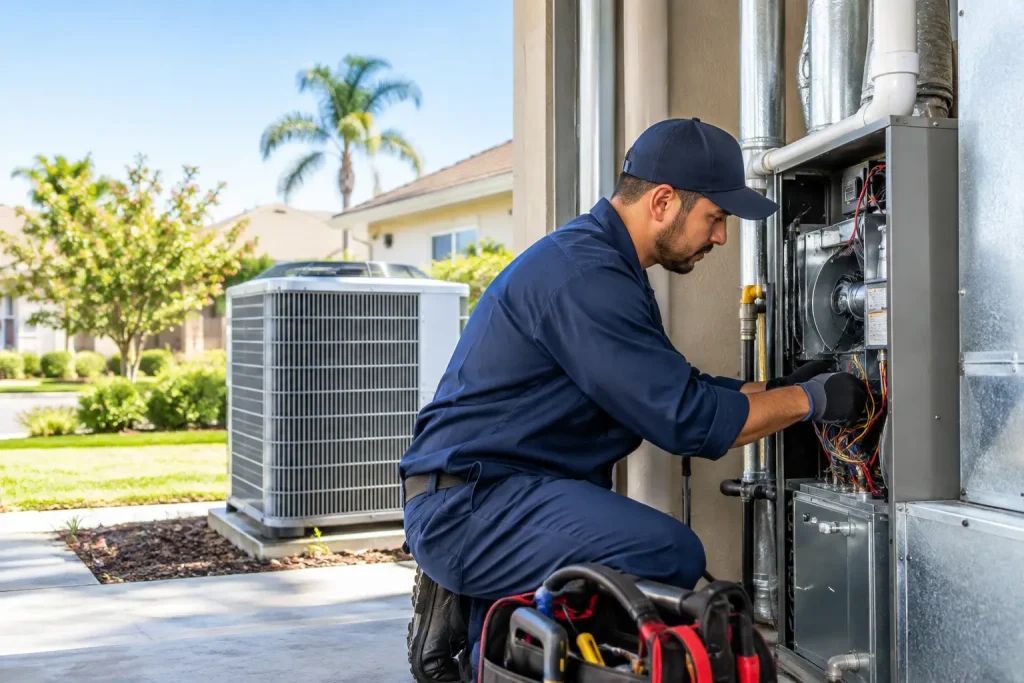
A furnace rarely picks a convenient time to fail. It tends to show its age during a cold evening, when the heat runs longer than usual, or when a tenant calls because rooms will not warm up. This furnace replacement planning guide helps homeowners and property managers make the decision before a breakdown turns into a rushed purchase.
Replacement is not always the answer. A well-maintained system with a minor, repairable issue may still have useful life left. But when repairs become frequent, comfort becomes uneven, or the equipment is approaching the end of its expected service life, planning ahead gives you more control over cost, equipment selection, and installation timing.
Start with Repair or Replacement
The first question is not which furnace to buy. It is whether the current furnace is still a practical candidate for repair. A professional inspection can identify the specific issue and put the repair in context with the system’s age, condition, and performance.
A single failed part on a newer furnace may justify a repair. On the other hand, an older furnace that has needed repeated service, struggles to heat the home evenly, or requires a major component replacement may be a stronger replacement candidate. Rising utility bills can also be a signal, especially if your heating habits have not changed.
Pay attention to the pattern, not just one symptom. Frequent cycling, unusual noises, cold rooms, inconsistent airflow, or a furnace that cannot maintain the thermostat setting deserve attention. These issues can come from the furnace itself, but they can also involve airflow, ductwork, thermostat operation, or maintenance needs. That is why an accurate diagnosis should come before a replacement decision.
For rental properties, consider reliability as part of the calculation. Waiting for a complete failure can leave occupants without heat and limit your options. Planning during normal operation allows you to schedule the work thoughtfully instead of making a same-day decision under pressure.
Furnace Replacement Planning Guide: What to Review
A furnace is part of a larger heating and cooling system. Choosing equipment based only on the old furnace’s size, or selecting the largest available unit, can create comfort and efficiency problems. A qualified HVAC professional should evaluate the home and its existing system before recommending a replacement.
Get the size right
Furnace capacity must match the building’s heating needs. A unit that is too small may run for long periods and still leave parts of the home uncomfortable. A unit that is too large can cycle on and off too often, which may reduce efficiency, increase wear, and create uneven temperatures.
Correct sizing takes more than square footage. The evaluation should consider insulation, window condition, ceiling height, home layout, sun exposure, duct condition, and the number of occupants. An older home with drafty windows has different heating needs than a newer, tightly sealed home of the same size.
Consider efficiency in context
Higher-efficiency furnaces can reduce fuel use, but the best choice depends on the home, usage patterns, budget, and installation requirements. Efficiency ratings are useful for comparison, but they are not the whole story. Proper sizing, clean airflow, sound ductwork, and correct installation all affect real-world performance.
Ask how the recommended furnace will fit your property rather than focusing only on the highest rating. A practical recommendation should explain the expected benefits, any added installation considerations, and why that option suits your household or building.
Think about comfort controls
A furnace replacement can be a good time to assess the thermostat and overall comfort controls. If some rooms are always warmer or colder than others, the answer may involve airflow adjustments or duct improvements rather than a more powerful furnace.
Smart and programmable thermostats can help some households manage schedules and avoid heating an empty home. They are helpful tools, but they cannot fix an incorrectly sized furnace or a system with restricted airflow. The foundation still matters most.
Check the condition of connected equipment
Your furnace works alongside components such as ducts, vents, filtration, and, in many homes, the air conditioning system. If the AC equipment is also aging, ask whether replacing systems together makes sense. There are cases where a coordinated plan can improve compatibility and prevent duplicate labor later. In other cases, a targeted furnace replacement is the more sensible path.
This is also the time to ask about indoor air quality needs. Better filtration, properly maintained returns, and appropriate ventilation can make a noticeable difference for households concerned about dust, allergies, or stale indoor air.
Plan the Timing Before the Emergency
The best time to plan a replacement is while the furnace can still operate safely enough to give you options. Mild weather often makes scheduling easier, but every property’s situation is different. A system with a safety concern, a cracked heat exchanger diagnosis, or repeated shutdowns should be addressed promptly rather than nursed along for another season.
Before installation day, clear access to the furnace area and make arrangements for pets, tenants, or business operations if needed. Property managers should also consider communication and access requirements early. Confirm who can approve work, who will be present, and whether there are building rules that affect scheduling.
For homes with an attached garage, attic installation, crawl space, or a tight utility closet, access can influence the scope of the project. A straightforward replacement and a complex installation are not the same job. Asking about access and site conditions early helps prevent surprises.
Questions Worth Asking Before You Approve the Work
A clear estimate should help you understand what is being recommended and why. You do not need to become an HVAC expert, but you should feel comfortable asking direct questions. Ask whether the furnace size is based on a proper evaluation, what equipment and installation work are included, and whether any duct or venting concerns were found.
Also ask how the new system will affect your existing thermostat, filtration setup, and air conditioner. If permits or inspections are required for the work, confirm how those steps will be handled. A dependable contractor should be able to explain the process in plain language without pressuring you into features you do not need.
It can also help to ask what ongoing maintenance will protect the new equipment. Regular filter changes, annual professional heating maintenance, and prompt attention to unusual operation can help prevent avoidable strain. Maintenance does not eliminate every repair, but it helps identify problems before they become more disruptive.
What to Expect During Installation
A professional furnace replacement begins with confirming the scope and protecting the work area. The old equipment is disconnected and removed, then the new furnace is positioned, connected, and tested. Depending on the property and system design, the work may include adjustments to venting, drain lines, electrical connections, duct transitions, or controls.
The final testing matters. The installer should verify safe operation, proper airflow, thermostat response, and heating performance before the job is complete. You should also receive basic guidance on operating the system, changing filters, and recognizing warning signs that call for service.
For Modesto-area homeowners and property managers, YourK AC can inspect an aging furnace, explain practical replacement options, and help you plan without guessing. If your heat is unreliable, do not wait for the coldest night of the season to find out how much life the system has left.
A planned replacement is not just about installing new equipment. It is a chance to restore dependable heat, improve day-to-day comfort, and make a clear decision on your terms. Start with an inspection, ask the questions that matter, and choose a solution that fits the property you need to keep comfortable.