
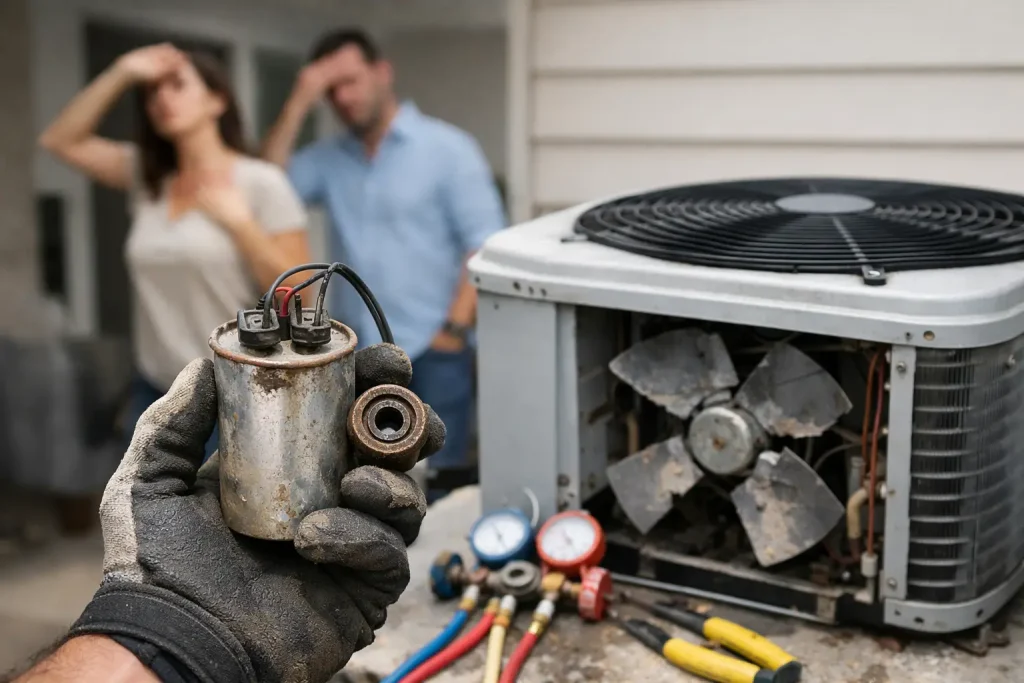
When your AC starts struggling during a Modesto heat wave, the question usually comes fast: repair it one more time, or stop putting money into a system that is on its way out? Knowing the signs you need AC replacement can save you from repeated breakdowns, high utility bills, and that miserable stretch of waiting for cool air that never really comes.
A failing air conditioner does not always quit all at once. More often, it gets louder, less efficient, and less reliable over time. That slow decline makes it easy to keep patching problems and hoping for one more season. Sometimes that makes sense. Sometimes it just costs more in the long run.
Signs you need AC replacement, not another repair
One repair does not mean you need a new system. Even good units need service from time to time. The problem is when the issues start stacking up and your AC can no longer keep up with the demands of your home or business.
If your system is showing several of the warning signs below, replacement is usually the smarter and more cost-effective move.
Your AC is 10 to 15 years old
Age matters. Most central air conditioning systems last around 10 to 15 years, depending on usage, maintenance, installation quality, and local conditions. In Modesto, where summer heat puts serious strain on cooling equipment, older systems tend to wear out faster if they have not been maintained consistently.
An older unit is not automatically done for. But if it is already past the 10-year mark and starting to struggle, replacement becomes more likely. Newer systems are generally more energy efficient, more dependable, and less expensive to operate.
Repair calls are becoming too common
If you are calling for AC repair every summer, that is one of the clearest signs you need AC replacement. A capacitor one year and a contactor the next may not be a big deal. But if the compressor, coil, blower motor, refrigerant leaks, or electrical components keep failing, you are looking at a pattern, not a one-time problem.
Frequent repairs usually mean the system is wearing down as a whole. Fixing one part may get it running again, but it does not reset the age or condition of the rest of the equipment.
A good rule of thumb is simple: if the repair cost is high and the unit is already older, replacement often gives you better value.
Your energy bills keep rising
A sudden spike in your power bill is easy to notice. A slow increase over two or three summers is easier to miss, but just as important. When an AC system loses efficiency, it has to run longer and work harder to cool the same space.
That extra runtime shows up on your monthly bill. Dirty components, worn parts, and aging technology all play a role. Even if the unit is still cooling, it may be doing the job far less efficiently than it used to.
If your usage habits have not changed but your cooling costs keep climbing, your AC may be costing you more than it is worth to keep.
Your home has hot and cold spots
If one room feels comfortable while another never cools down, your air conditioner may no longer be distributing air properly. Sometimes uneven cooling is caused by ductwork issues, insulation problems, or thermostat placement. But in many cases, the AC itself is losing capacity.
As systems age, they often struggle to maintain consistent temperatures across the property. You may notice weak cooling in back bedrooms, upstairs areas, larger rooms, or spaces with more sun exposure.
A replacement system that is properly sized for the building can solve comfort problems that repairs alone may not fix.
Airflow is weak or inconsistent
Low airflow is a common warning sign. If you stand by the vents and barely feel cool air coming through, something is wrong. It could be the blower motor, duct restrictions, a clogged filter, or internal wear inside the system.
Sometimes weak airflow can be repaired. But if it keeps happening, or if the unit runs constantly without delivering enough air, replacement may be the better answer. Poor airflow puts more strain on the system and makes your indoor space feel uncomfortable no matter how low you set the thermostat.
Your AC runs constantly
During very hot days, it is normal for an air conditioner to run longer. But it should still cycle off periodically once it reaches the set temperature. If your system seems to run all day without catching up, that is a red flag.
This could point to low efficiency, aging components, refrigerant issues, or a system that is simply no longer capable of handling the cooling load. Constant operation means more wear, higher utility costs, and a greater risk of full failure when you need the system most.
Strange noises or smells are getting worse
Air conditioners make some noise, but they should not bang, screech, rattle, buzz loudly, or grind. Those sounds often mean internal parts are loose, worn, or failing. Musty odors can point to moisture or mold issues, while burning smells may suggest electrical trouble.
A single repair may solve the immediate problem. But if new noises or odors keep showing up, the system may be nearing the end of its usable life. In that case, continuing to repair it can become a short-term fix for a long-term problem.
You are still using an outdated refrigerant
If your AC uses R-22 refrigerant, also known as Freon, replacement deserves serious consideration. R-22 has been phased out, which means it is expensive and harder to source. If your older unit develops a refrigerant leak, the repair can become much more costly than many owners expect.
That does not mean every R-22 system must be replaced immediately. But if it is leaking, aging, and already expensive to operate, installing a newer system is often the more practical financial decision.
Humidity levels feel off indoors
Your air conditioner does more than cool the air. It also helps remove humidity. If your home feels sticky, damp, or muggy even when the AC is running, the system may not be performing correctly.
High indoor humidity can make the space feel warmer than it actually is, which leads many people to lower the thermostat even more. That creates higher energy use without actually improving comfort. If humidity problems are ongoing and other repairs have not solved them, replacement may be the right next step.
When repair still makes sense
Not every problem calls for a new system. If your AC is relatively new, has been maintained well, and the issue is isolated, a repair is often the smartest move. Replacing a unit too early is just as wasteful as waiting too long.
This is where an honest inspection matters. You want clear answers about the condition of the system, the repair cost, the expected lifespan left, and whether the unit can still cool your property reliably through another Modesto summer.
How to decide without guessing
The best decision usually comes down to three things: age, repair history, and operating cost. If your system is older, breaking down often, and driving up your electric bill, replacement usually saves money over time. If it is newer and the problem is limited, repair is probably enough.
Comfort matters too. A system that technically works but leaves your home unevenly cooled, humid, or unreliable is not really doing its job. For homeowners, property managers, and business owners, reliability matters just as much as whether the unit turns on.
That is why many people choose to replace before a complete breakdown. It gives you time to make a smart decision instead of rushing during an emergency.
What to expect from a replacement
A new AC system can improve airflow, lower energy use, reduce repair calls, and cool your space more evenly. The exact results depend on the condition of your ductwork, insulation, thermostat, and system sizing, so there is no one-size-fits-all answer.
A properly matched installation is what makes the difference. Bigger is not always better, and the cheapest option is not always the most affordable to own over the next decade. A reliable contractor should explain your options clearly, keep pricing transparent, and recommend a system based on your property and budget, not pressure.
If you have been noticing several signs you need AC replacement, waiting usually does not improve the outcome. It often just increases the odds of a full outage on the hottest day of the year. For property owners in Modesto who need fast, practical help, getting the system evaluated now can save a lot of stress later. Your comfort should not have to depend on one more temporary fix.