
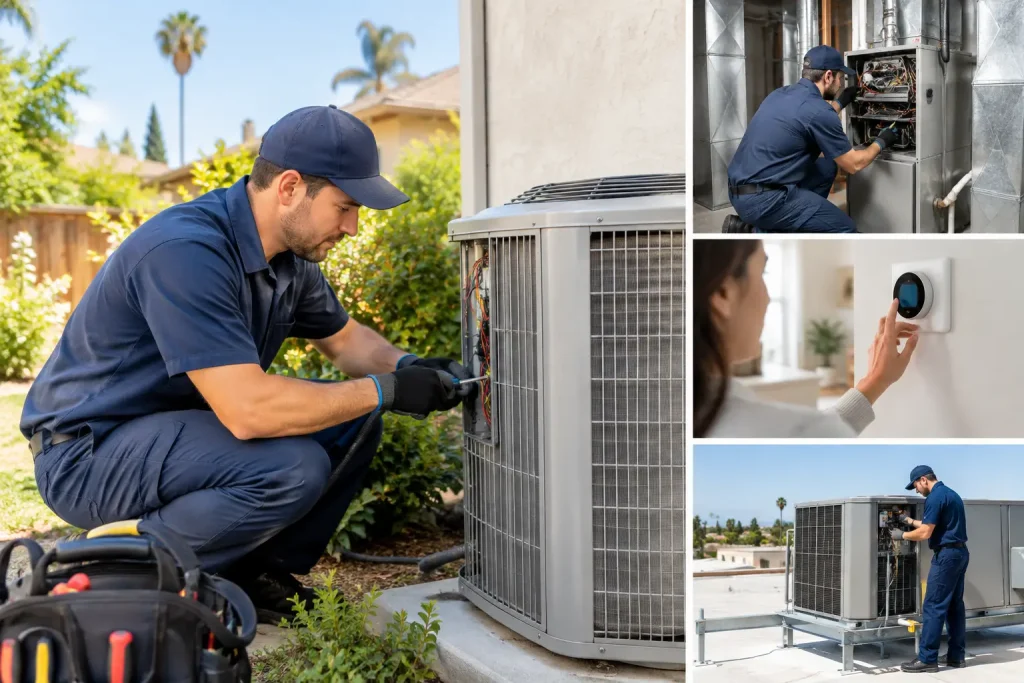
A furnace rarely quits at a convenient time. It usually happens on a cold morning, before guests arrive, or when your business needs heat most. Knowing how to reduce furnace breakdowns gives you more control over comfort, operating costs, and unexpected repair calls. The goal is not to turn furnace care into a complicated project. It is to catch small issues before they become no-heat emergencies.
How to Reduce Furnace Breakdowns Before Winter
The best time to think about furnace reliability is before you need the system every day. In Modesto, heating equipment may sit idle for long stretches, then suddenly work harder when temperatures drop. Dust, loose components, worn parts, and airflow restrictions can all show up once the furnace starts running regularly.
Schedule professional heating maintenance before the busy winter season whenever possible. A trained technician can inspect the system, clean critical components, test safety controls, check airflow, and identify parts that are wearing out. This type of visit is not about replacing equipment that still has useful life. It is about making informed decisions early, when you have options and time to plan.
For property managers and small business owners, preseason service is especially useful. One overlooked rooftop unit, furnace closet, or vacant suite can create a bigger disruption when colder weather arrives and tenants or employees need answers quickly.
Keep Airflow Clear and Consistent
Restricted airflow is one of the most common contributors to furnace strain. Your system needs to move air freely through the filter, return vents, supply vents, blower, and ductwork. When that path is blocked, the furnace has to work harder to deliver heat, and internal components may overheat or cycle off unexpectedly.
Check your air filter regularly and replace it when it is dirty. How often depends on the filter type, how often the furnace runs, whether you have pets, and the amount of dust in the property. A filter that looks gray, clogged, or bowed inward should not be ignored.
Keep return vents and supply registers open and free from furniture, storage boxes, rugs, and curtains. Closing multiple vents does not usually save energy. It can create pressure and airflow problems that make the equipment less efficient. If certain rooms stay too warm or too cold, have a professional evaluate the cause rather than trying to force the system to compensate.
Pay Attention to What Changes in Your Home
A furnace often gives warning signs before it fails completely. A new rattling sound, frequent cycling, weak airflow, uneven heating, or a sudden increase in utility use can point to a developing problem. You may also notice that the thermostat setting no longer matches how the rooms feel.
Do not wait for the system to stop producing heat before making the call. A service visit for an unusual sound or inconsistent performance may prevent a more involved repair later. Early diagnosis also helps protect components that are affected when the furnace keeps operating under stress.
Use the Thermostat Wisely
Your thermostat is not just an on-and-off switch. It directs when and how long the furnace runs, so inaccurate settings or poor placement can lead to unnecessary wear. Avoid large temperature swings when possible. Raising the thermostat dramatically will not heat the home faster, but it can keep the furnace running longer than needed.
A programmable or smart thermostat can help maintain steadier temperatures when it is set up correctly. That said, a thermostat is not a cure for a furnace that is oversized, undersized, or already experiencing airflow issues. If your system runs constantly, short-cycles, or cannot maintain a reasonable setting, it needs professional attention.
Keep the thermostat area clear of space heaters, direct sunlight, lamps, and drafty doors. Those influences can make it read the room incorrectly and cause uneven operation throughout the property.
Do Not Ignore Short Cycling
Short cycling happens when a furnace turns on, runs briefly, shuts off, and then starts again soon after. It is more than an annoyance. Frequent starts put extra stress on ignition components, motors, and controls while often leaving rooms uncomfortable.
A dirty filter can contribute to short cycling, but it is not the only possible cause. The issue may involve overheating, thermostat problems, a flame sensor concern, or equipment sizing. Because several conditions can produce similar symptoms, this is a situation where professional troubleshooting matters. Continuing to run a short-cycling furnace can turn a manageable service call into a breakdown.
Protect the Area Around the Furnace
Furnaces need space for safe access, proper airflow, and routine service. Do not use the furnace room, closet, or area around the unit as overflow storage. Keep boxes, paint, cleaning products, paper goods, and other combustible materials away from the equipment.
For gas furnaces, make sure household members know what to do if they smell gas or notice signs of carbon monoxide exposure, such as headaches, dizziness, nausea, or confusion. Leave the building, move to fresh air, and contact the appropriate emergency services or gas utility. Do not attempt to diagnose a gas leak or safety issue yourself.
Working carbon monoxide detectors are another essential layer of protection. Place and maintain them according to the manufacturer’s instructions, and replace batteries or units as needed. These devices do not prevent mechanical failures, but they can alert your household if a combustion-related safety concern develops.
Give Older Furnaces Extra Attention
An older furnace can continue to serve a property well when it is maintained properly, but age changes the maintenance conversation. Parts may wear more quickly, efficiency can decline, and repair needs can become less predictable. The right choice depends on the unit’s condition, repair history, performance, and the needs of the building.
If you are facing repeated repairs, inconsistent heating, unusual noise, or rising energy use, ask a technician for a straightforward assessment. In some cases, targeted repair is the sensible path. In others, planning a replacement before a total failure may reduce disruption and give you more control over the decision.
There is no one-size-fits-all answer based on age alone. A reliable recommendation should account for the specific furnace, not pressure you into replacing equipment prematurely.
Make Maintenance a Routine, Not a Reaction
The simplest way to prevent a surprise failure is to treat heating maintenance like any other regular property task. Mark a seasonal reminder to check filters, clear vents, test carbon monoxide detectors, and schedule a professional furnace inspection. For commercial properties, keep a record of service dates and recurring issues so patterns are easier to spot.
This routine can also make emergency decisions less stressful. You will know more about the condition of your equipment, the work already completed, and whether a repair has been building over time. That information helps a technician diagnose the problem efficiently when service is needed.
When to Call for Furnace Service
Call for professional service if your furnace will not start, blows cool air, makes banging or grinding noises, trips its safety controls, produces burning odors that do not quickly fade, or has visible water around it. You should also call if heat is uneven throughout the property or your utility bills rise without a clear reason.
For a complete loss of heat during cold weather, prompt help matters. YourK AC provides heating service for homeowners and businesses that need a fast, clear path back to reliable comfort. A qualified technician can identify the actual cause, explain the repair options, and help you avoid guesswork.
A dependable furnace is built on small, consistent decisions: clean airflow, timely maintenance, attention to warning signs, and professional help before a minor problem becomes a no-heat call.