
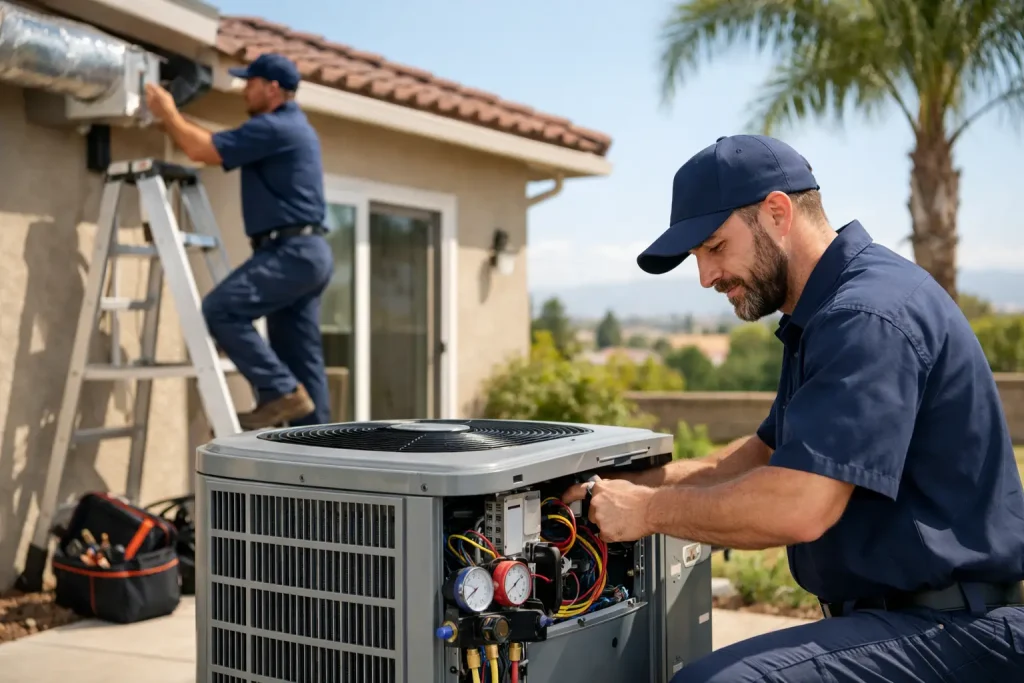
A failing AC unit rarely picks a convenient time to quit. When Modesto temperatures climb, a replacement becomes about more than equipment – it is about restoring dependable comfort for your family, tenants, customers, or employees. This central air installation guide explains what a professional installation should involve, how to make smart decisions before work begins, and how to avoid common replacement mistakes.
Know When Installation Makes More Sense Than Repair
A repair can be the right answer when a newer system has a clear, isolated problem. But if your AC needs frequent service, struggles to cool the building evenly, runs constantly, or uses outdated refrigerant, replacement may offer a more dependable long-term solution.
Age is only one part of the decision. A system that is technically still running can waste energy, leave rooms uncomfortable, and create repeated repair concerns. Homeowners and property managers should also consider whether the existing equipment is properly sized for the property and whether the ductwork still supports good airflow.
A qualified HVAC technician can inspect the full system before recommending replacement. That includes the outdoor condenser, indoor coil, furnace or air handler, refrigerant lines, electrical connections, thermostat, drain line, and ducts. Replacing only one piece of an aging system can sometimes create compatibility and performance issues, so the best approach depends on the condition of every major component.
Central Air Installation Guide: Start With Proper Sizing
The most expensive mistake in central air replacement is often choosing equipment based on square footage alone. A larger AC is not automatically better. An oversized unit may cool the space too quickly, shut off before removing enough humidity, and cycle on and off more often. That can reduce comfort and increase wear on components.
An undersized system has the opposite problem. It may run for long periods during peak heat and still fail to maintain the temperature you need. Proper sizing considers the building’s square footage, insulation, ceiling height, window exposure, occupancy, heat-producing equipment, and local climate conditions.
For a home, this process helps identify the capacity needed to cool each living area effectively. For a small business or rental property, it also accounts for foot traffic, operating hours, interior equipment, and room use. A professional load calculation provides a much stronger basis for equipment selection than a quick estimate.
Choose Equipment That Fits Your Property
Most central air systems use an outdoor condenser paired with an indoor evaporator coil and a furnace or air handler. The thermostat signals the system when cooling is needed, while the ducts distribute conditioned air throughout the building.
You may also have the option of a heat pump. Heat pumps provide cooling in summer and can provide efficient heating during cooler weather. For some properties, that makes them a practical upgrade. For others, a traditional AC system paired with an existing heating setup may be the better fit. The right choice depends on your comfort goals, current equipment, energy use, and budget priorities.
Efficiency ratings matter, but they should not be viewed in isolation. A high-efficiency unit can be a strong investment when it is correctly sized, professionally installed, and supported by sound ductwork. If the duct system leaks heavily or airflow is restricted, even excellent equipment will not perform as intended.
Check the Ductwork Before Replacing the AC
Your ducts are the delivery system for cooled air. If they are undersized, damaged, disconnected, poorly insulated, or leaking, certain rooms may remain warm even after a new AC installation.
A professional assessment should look for airflow restrictions, visible damage, weak return-air pathways, and ducts that do not match the capacity of the new equipment. In some cases, limited duct improvements can make a major difference in comfort. In others, the existing duct system is in good condition and does not need extensive work.
This is also the time to discuss rooms that have always been difficult to cool. A knowledgeable technician can identify whether the issue is related to duct design, insulation, thermostat placement, sun exposure, or the equipment itself.
What Happens During Professional AC Installation
A central air installation is not simply a matter of setting a new condenser outside. The job requires careful setup, safety checks, and testing to make sure the entire system works together.
The process generally starts with confirming the approved equipment, installation plan, and access to the work areas. The crew then safely removes old equipment when replacement is part of the project. The outdoor unit is placed on a stable, level base with appropriate clearance for airflow and future service.
Inside, the installer connects the evaporator coil to the heating equipment or air handler, installs or updates refrigerant lines as needed, and verifies that the condensate drain can move moisture away properly. Poor drainage can lead to water damage or system shutdowns, so this step deserves close attention.
After the physical installation, the technician completes required connections, evacuates the refrigerant lines, charges the system according to manufacturer specifications, and checks for leaks. The thermostat is configured and tested. Finally, the system is started and evaluated for airflow, temperature change, drainage, and overall operation.
Permits and code requirements may apply depending on the project and location. A professional contractor should handle the installation with the appropriate standards in mind rather than rushing through the job just to get the unit running.
How to Prepare Your Home or Business
A little preparation can make installation day easier. Clear access to the indoor equipment, outdoor unit location, attic entry, and thermostat area before the crew arrives. Move valuables and fragile items away from work zones, and make arrangements for pets so technicians can work safely without doors being left open unexpectedly.
If you manage a commercial space, notify employees or tenants about the work window and identify any areas that need special access. Restaurants, offices, retail spaces, and rental properties may have operational needs that affect the best timing for installation.
It also helps to ask where the crew will need to park, whether furniture must be moved, and how long parts of the property may be without cooling. Installation conditions vary, particularly when duct modifications or equipment access challenges are involved, so clear communication helps prevent surprises.
What Affects the Scope of an AC Replacement
No two installations are exactly alike. The final scope can change based on equipment capacity, system efficiency, duct condition, indoor unit compatibility, accessibility, and whether the refrigerant lines or thermostat need updating.
A straightforward equipment replacement in an accessible location is different from an installation involving tight attic access, damaged ducts, a relocated outdoor unit, or a property with uneven cooling problems. That is why a thorough in-person evaluation matters. It allows the contractor to explain what is necessary, what is optional, and why each recommendation supports comfort and reliability.
Transparent communication is especially valuable when replacing an older system. You should understand the equipment being installed, the work included, the expected maintenance needs, and any operating changes you may notice with the new system.
Questions to Ask Before Approving Installation
Before moving forward, ask your HVAC contractor these practical questions:
- How was the recommended system size determined for my property?
- Will my current ductwork support the new equipment properly?
- Are the indoor and outdoor components matched for performance?
- What work is included beyond replacing the main AC unit?
- How will the system be tested before the job is complete?
- What maintenance will help protect the new equipment?
Clear answers help you compare recommendations based on value and suitability, not just the nameplate on the outdoor unit.
Protect Your New System After Installation
A new system needs regular care to stay efficient. Replace or clean filters on schedule, keep the outdoor unit clear of leaves and debris, and avoid blocking supply or return vents with furniture. These simple steps support airflow and reduce unnecessary strain.
Professional maintenance should also be part of the plan. Seasonal service gives a technician the chance to inspect electrical components, refrigerant performance, drainage, coils, and airflow before a small concern turns into a major interruption. For rental and commercial properties, consistent maintenance can also help reduce emergency calls during the hottest periods of the year.
When you are ready to replace an unreliable system, choose a local team that evaluates the whole picture instead of pushing a one-size-fits-all answer. YourK AC helps Modesto-area property owners make practical installation decisions built around comfort, efficiency, and dependable operation when the heat is at its worst.